

Let me break it down the way I explain to my own clients – no fluff, just floor-truth.
1K Potting Machines: Simple, but Limited
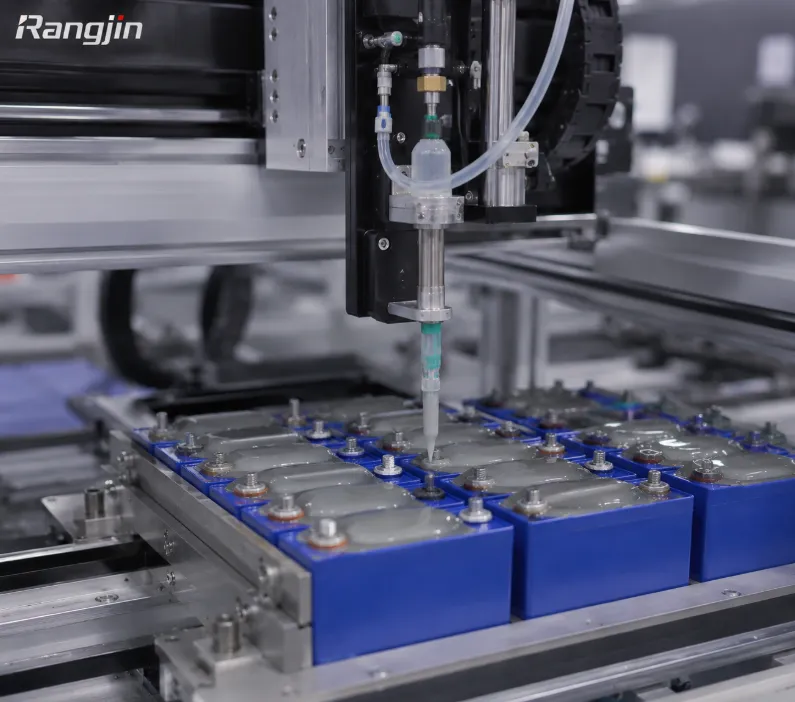
A 1K machine dispenses a single-component material – think silicone, hot melt, or UV cure. The material already contains everything it needs to cure. You just warm it up, push it out, and let time or heat do its job.
The equipment is straightforward: a pump, a hose, a valve, and a tank. Maintenance is cheap. Setup takes an hour. For low-volume jobs or materials that don’t require mixing, 1K is your workhorse.
But here’s the catch. Single-component materials often have a short shelf life once opened. They need specific curing conditions (heat, moisture, or UV). And you can’t tweak the cure speed or hardness on the fly. What you buy is what you get.
2K Potting Machines: Precision with Power
Now, a 2K machine handles two separate components – resin and hardener. They stay apart until milliseconds before dispensing. Then the machine mixes them in a precise ratio (usually 1:1 or 2:1, but I’ve done 10:1 for specialty epoxies).
Why bother? Because two-component systems give you control. You can adjust cure time, thermal conductivity, or flexibility by changing the material pair. And most 2K epoxies and polyurethanes outperform 1K in harsh environments – high vibration, wide temperature swings, chemical exposure.
But the machine is more complex. You need two pumps, a dynamic or static mixer, and often a heated hose. Ratio accuracy is critical – off by 5% and your potting never cures. I’ve cleaned up too many “rock solid” messes caused by cheap 2K machines that couldn’t hold ratio.
The Real-World Decision That Saves You Money
Here’s what I tell every purchasing manager: Don’t buy a 2K machine because you think it’s “more professional.” Buy it only if your material requires it.
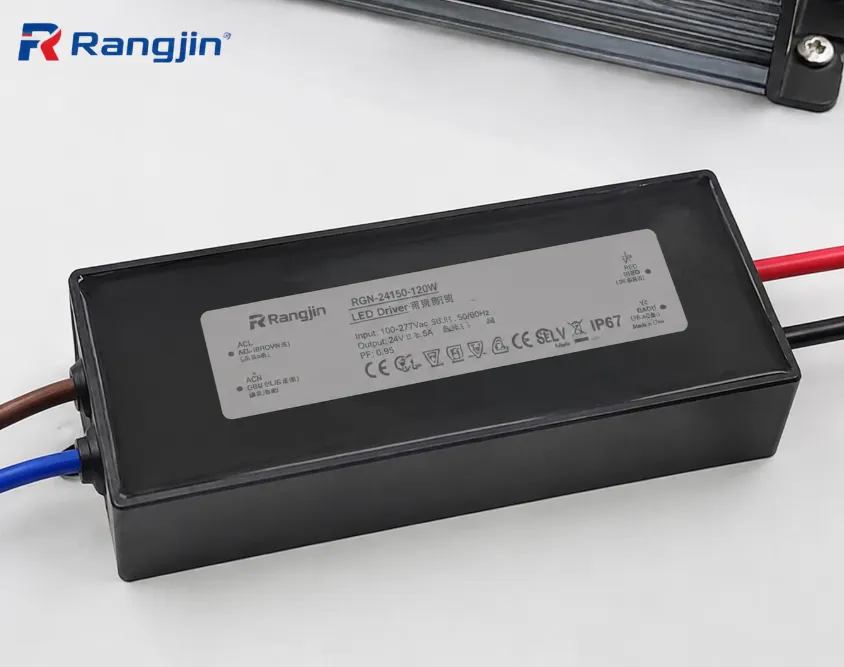
Example: A client last year was potting LED drivers. They switched from a 1K silicone to a 2K epoxy for better thermal management. They bought a 2K machine. Works great. But their neighbor down the road potted simple junction boxes with a 1K polyurethane for eight years without a single failure. The 2K would have been overkill.
Also consider waste. 1K machines purge little to no material. 2K machines need a flush or you’ll have cured rock inside your mixers overnight. That costs solvent, time, and patience.
If your material comes pre-mixed in a pail or cartridge, and your production is under 10,000 units a month, start with a good 1K machine. Keep it simple.
If you need high strength, fast cure, or environmental resistance – and you’re willing to train operators on ratio control and cleaning protocols – step up to a 2K system.
Twenty years of fixing other people’s potting mistakes taught me this: The machine doesn’t win the job. The right match does. Ask your material supplier what they recommend, then call someone like me to validate the equipment choice. You’ll sleep better.
Got a specific application? I can walk you through the trade-offs in a 15-minute call. No hard sell – just honest engineering.